

What Happens If You Pass Away Without a Will? — Intestate Succession in Idaho
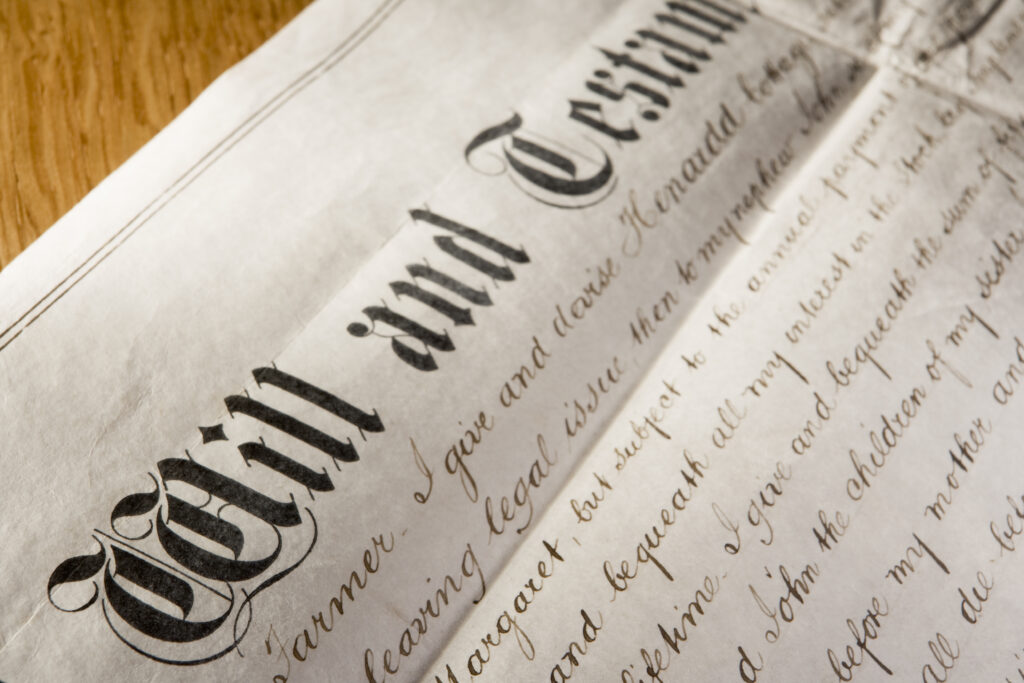
Nobody likes to think about what happens after they die. But planning ahead can save your family from confusion, stress, and legal headaches. If you pass away without a written will in Idaho, state law decides who gets your property. This process is called intestate succession.
Many people put off creating a will. Some think they don’t have enough property to worry about. Others believe they’re too young to need one. The truth is that dying without a will is more common than you might think. When this happens, Idaho’s intestate succession laws take over and make all the decisions for you.
Understanding these laws can help you see why having a will matters. It also helps if you’ve lost a loved one who didn’t have a will and you need to know what comes next.
Does Idaho Still Require Probate Without a Will?
Yes. Probate is required in Idaho whether you have a will or not. The process happens when someone dies owning certain types of property.
You’ll need to go through probate if the person who died owned any real estate in Idaho, no matter what it’s worth. You’ll also need probate if the total value of the estate is $100,000 or more, even without real estate.
When someone dies with a will, it’s called a testate probate. When someone dies without a will, it’s called an intestate probate. The basic steps are similar for both types. But having a will gives you control over who handles your estate and who receives your property.
Which Assets Go Through Intestate Succession?
Not everything you own goes through probate. Idaho’s intestate succession laws only affect assets that would normally pass through probate.
Some property passes directly to another person without probate:
- Bank accounts with a payable-on-death beneficiary
- Retirement accounts with a named beneficiary
- Life insurance policies with a beneficiary
- Real estate owned jointly with rights of survivorship
- Property held in a living trust
These assets go straight to the people you named. But if you didn’t name a beneficiary, or if all your beneficiaries die before you, then these assets could end up in probate after all.
Who Becomes the Personal Representative?
Someone needs to manage the estate, pay debts, and distribute property. This person is called the personal representative or executor.
Idaho law sets a priority list for who can serve as personal representative when there’s no will. Idaho Code Section 15-3-203 establishes this order:
- Your surviving spouse gets first priority
- Your children or grandchildren come next
- More distant relatives follow
- A creditor can ask to serve if nobody else steps forward within 45 days
This system works fine in many cases. But it doesn’t give you any say in who handles your affairs. A will changes everything. When you name someone in your will, that person gets the highest priority, even above your spouse. This lets you choose someone you trust to handle your estate properly.
How Does Idaho Divide Property for Married People?
If you’re married when you die without a will, Idaho law treats your property differently based on when and how you got it.
Community Property
Community property includes most things you and your spouse acquired during your marriage. This covers wages, bank accounts, real estate, vehicles, and other assets bought while married.
Your surviving spouse receives all of the community property. This happens automatically under Idaho intestate succession law.
Separate Property
Separate property is anything you owned before you got married. It also includes gifts or inheritances you received during marriage that were specifically given to you alone.
Idaho splits your separate property differently. Your surviving spouse receives half of your separate property. The other half goes to your children if you have any. If you have children from a previous relationship, they get a share too.
If you don’t have children, your parents receive the other half of your separate property. If your parents have already passed away, the property goes to your siblings or other relatives. Only if you have no living children, parents, or other relatives does your spouse receive all of your separate property.
With a will, you control where your separate property goes. You can leave it to a charity, a friend, a specific family member, or anyone else you choose.
Who Inherits When You’re Not Married?
Single people, divorced people, and widowed people follow a different set of rules under Idaho intestate succession law.
If you have children, they inherit everything equally. If one of your children died before you but had children of their own, those grandchildren take their parent’s share.
If you don’t have any children or grandchildren, your parents inherit everything. If your parents are deceased, your siblings split your estate equally. If a sibling died before you but had children, those nieces and nephews take their parent’s share.
Idaho keeps going down the family tree to more distant relatives if necessary. Your grandparents, aunts, uncles, and cousins could all potentially inherit. The state only takes your property if you have absolutely no living relatives that the court can find.
Special Rules in Idaho Intestate Succession
Idaho’s intestate succession laws include several specific rules that cover unique situations.
The 120-Hour Survivorship Rule
To inherit under intestate succession, a person must outlive you by at least 120 hours. That’s five full days.
This rule prevents messy legal problems when people die close together in time. For example, imagine you and your sister die in the same car accident. She survives for three hours after the crash, but you die instantly. Under Idaho law, she didn’t survive long enough to inherit from you. Your property would go to your next closest relative instead.
Half-Relatives Have Full Rights
Idaho treats half-siblings exactly the same as full siblings. It doesn’t matter if you share only one parent instead of two. They inherit equal shares.
The same rule applies to other half-relatives throughout your family tree. A half-niece receives the same share as a full niece.
Posthumous Relatives Can Inherit
Children conceived before your death but born after you die can still inherit. Idaho law treats them as if they were alive at the time of your death.
The child must be born within 10 months of your death. This rule even applies to children conceived through artificial insemination, as long as the conception happened before you died.
Why Having a Will Matters
Intestate succession follows a one-size-fits-all formula. It can’t account for your specific wishes or family situation.
Maybe you want to leave more to one child who helped care for you in your final years. Maybe you want to support a charity that means a lot to you. Maybe you have a close friend who’s been more like family than your actual relatives. Perhaps you want to specifically exclude someone from inheriting.
A will lets you make these choices. You decide who gets what. You choose who handles your estate. You can even set up trusts for minor children or create conditions for inheritance.
Without a will, Idaho law makes all these decisions for you. Your property goes where the state says it should go, not where you might have wanted it to go.
The Probate Process With and Without a Will
Both testate and intestate probates follow similar steps in Idaho. Someone files paperwork with the court. The personal representative gathers assets, pays debts, and eventually distributes property.
But having a will makes the process smoother. Your will names a personal representative, so there’s no question about who should serve. Your will states your wishes clearly, which reduces family disputes. And your beneficiaries know you made these choices intentionally, not because state law required it.
Intestate probate can create friction among family members. Adult children might disagree about who should serve as personal representative. Relatives might question whether the intestate succession formula is fair. These conflicts extend the probate process and increase legal costs.
Common Questions About Intestate Succession
Can creditors take everything?
Creditors get paid before beneficiaries receive anything. But they can only collect what the estate actually owes. If valid debts exceed the estate’s value, beneficiaries simply get nothing. Creditors can’t go after them personally for the deceased person’s debts, except in specific situations like jointly held debts.
What if I’m in a long-term relationship but not married?
Idaho intestate succession law doesn’t recognize unmarried partners, no matter how long you’ve been together. Your partner wouldn’t automatically inherit anything. The only way to provide for an unmarried partner is through a will, beneficiary designations, or joint ownership.
Do stepchildren inherit?
Stepchildren don’t inherit under Idaho intestate succession unless you legally adopted them. Only biological children, legally adopted children, and their descendants inherit as your children.
What about pets?
Pets are considered property under Idaho law. They pass to your heirs like any other personal property. If you want to make sure a specific person cares for your pet, you need to state that in a will. You can even set aside money for your pet’s care in a properly drafted will or trust.
Getting Help With Your Estate Planning
Creating a will doesn’t have to be complicated or expensive. A basic will that covers your needs might be simpler than you think.
Working with an estate planning attorney helps you understand your options. They can explain the difference between wills and trusts. They’ll make sure your documents are valid under Idaho law. And they’ll help you think through situations you might not have considered on your own.
If someone you love died without a will, you’ll likely need legal guidance to handle the intestate probate. An attorney can walk you through the process, help you file the necessary paperwork, and answer questions as they come up.
Johnson May has helped Idaho families with estate planning and probate matters for years. Whether you’re creating your first will or handling a loved one’s estate, we can guide you through the process. Contact us today to discuss your situation and learn how we can help protect your family’s future.
Tags:- boise estate planning attorney
- dying without a will
- idaho interstate succession
- passing away without a will